
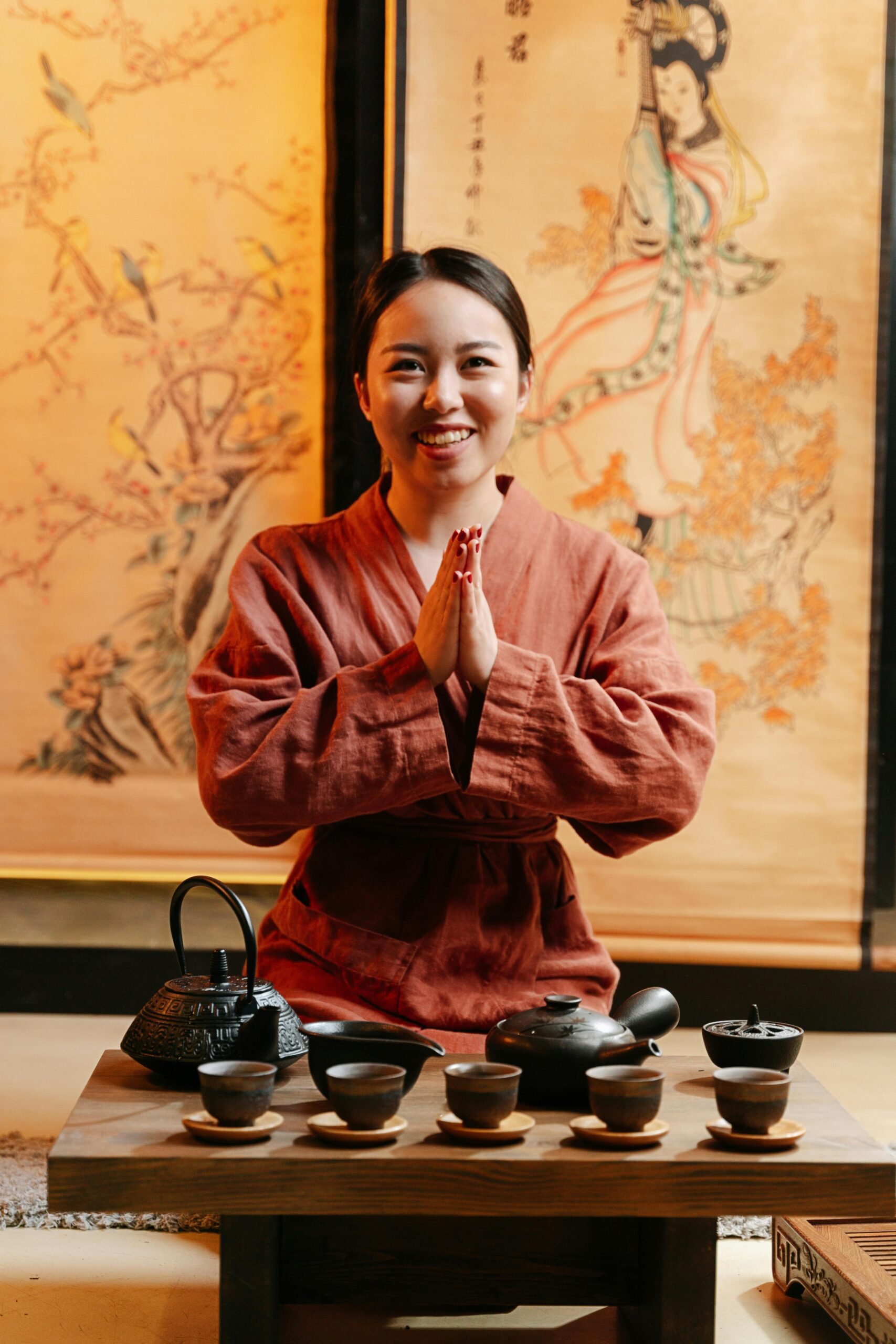
When I began working in Japan, our company held monthly training sessions at different subsidiary locations. The very first month, the theme was hospitality.
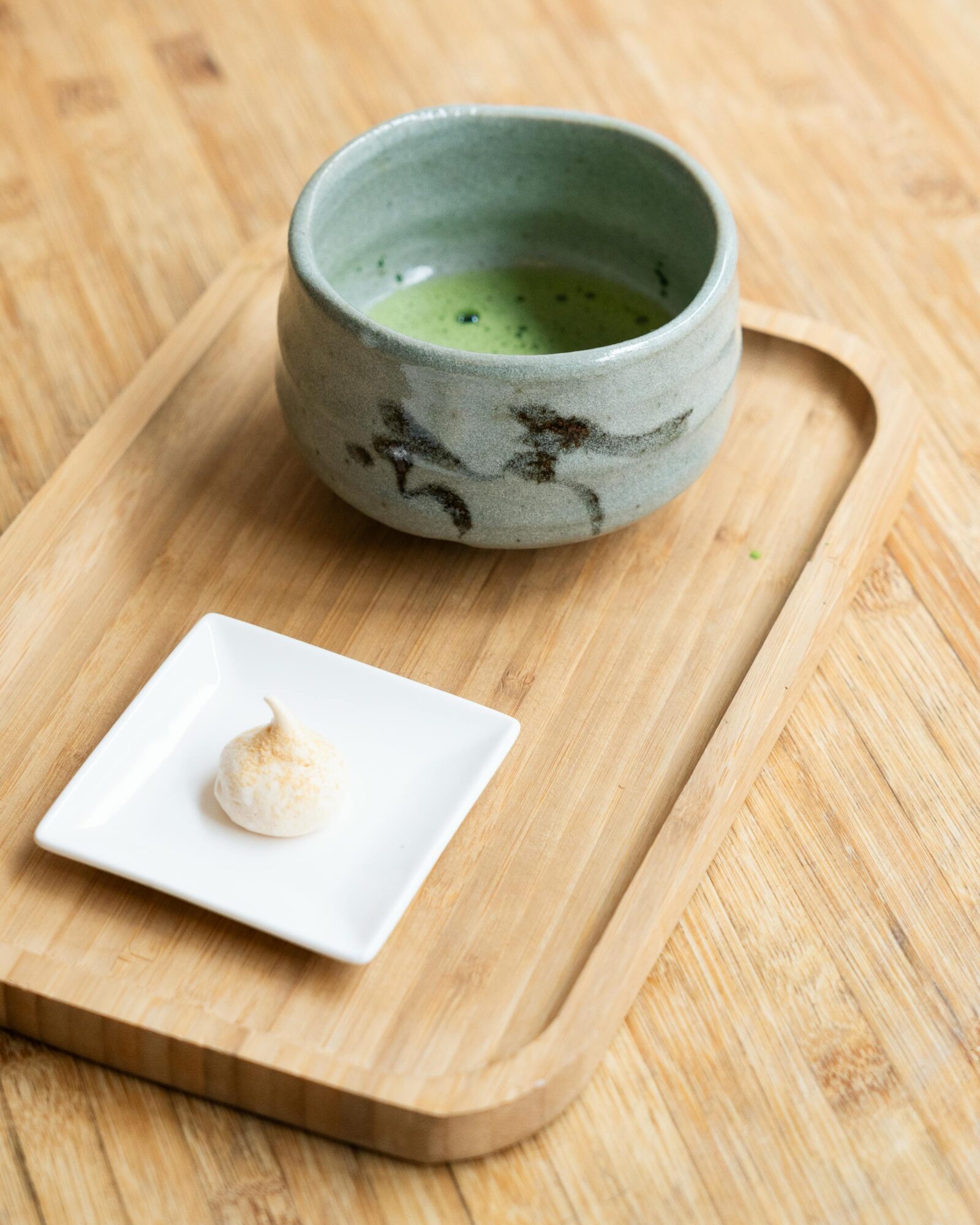
I walked in expecting something formal—a lecture, perhaps, or a rundown of company rules. But instead, the staff representatives of that building welcomed us with tea and wagashi. Each of us was served carefully, the tea poured with attention, the wagashi chosen to match both the tea and the season.
What struck me most wasn’t the food itself, but the explanation. The staff shared why that particular tea had been chosen and how the sweet complemented it perfectly. It wasn’t random—it was thoughtful and intentional. Even though we were just newly employed, they treated us like honored guests.
It wasn’t my first experience with omotenashi, but it left a lasting impression. I realized then that Japanese hospitality isn’t just about what is offered—it’s about the sincerity and care behind every gesture.
What is Omotenashi?
The word omotenashi (おもてなし) is sometimes translated as “hospitality,” but its meaning goes deeper. Unlike service that expects something in return (like tips in Western countries), omotenashi is about offering care sincerely, without the expectation of reward.
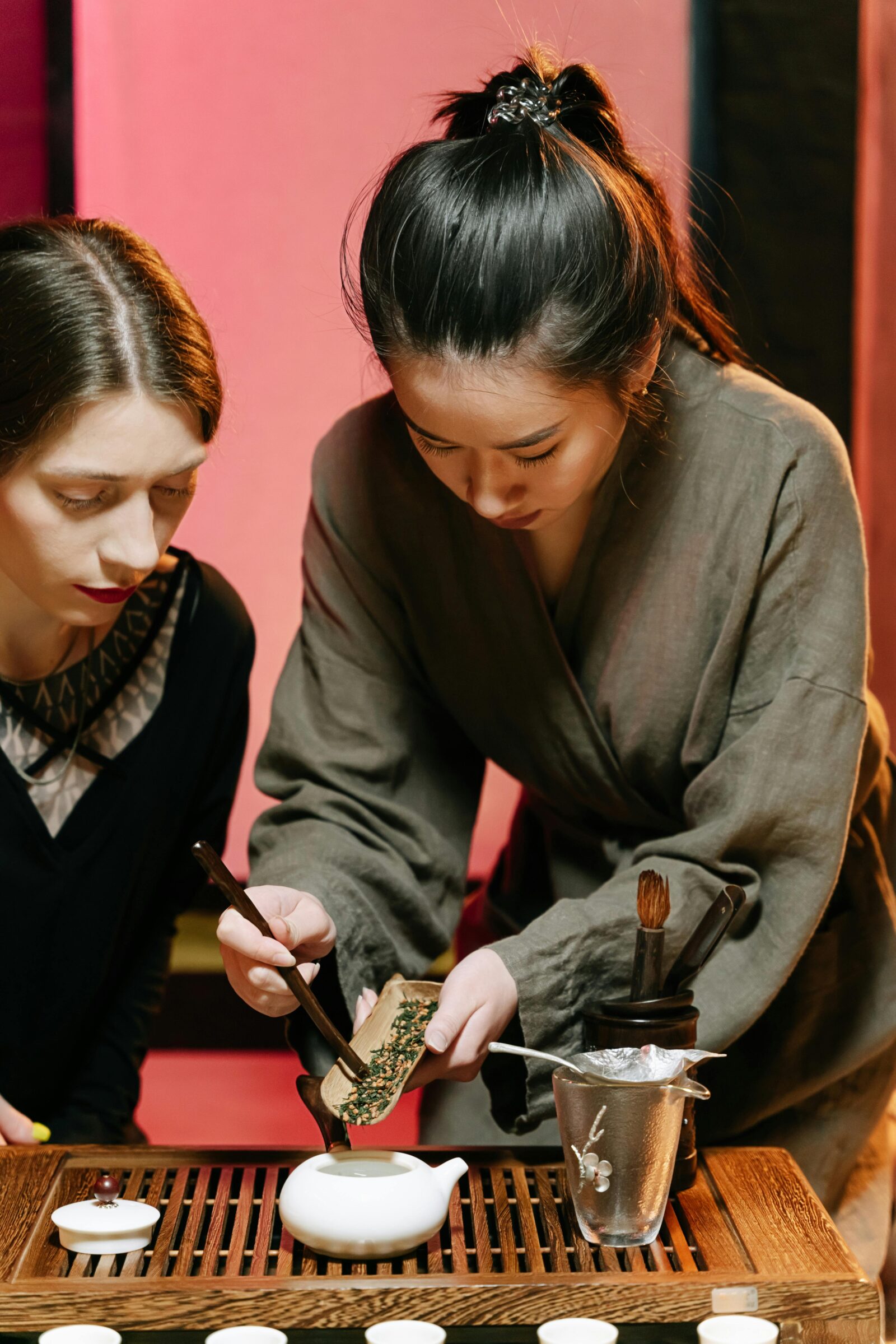
The origins of omotenashi are often linked to the Japanese tea ceremony. In the tea ceremony, the host anticipates everything a guest might need—adjusting the temperature of the water, choosing seasonal tea bowls, arranging flowers just so. Every detail is considered, not to impress, but to make the guest feel truly welcome.
This spirit of anticipation and thoughtfulness still influences Japanese hospitality today, even in the simplest daily encounters.
Everyday Examples of Omotenashi
After that training, I began noticing omotenashi in everyday life. It wasn’t always dramatic or formal—it often appeared in small, quiet gestures.
Restaurants and cafés: Before a meal, you’re offered an oshibori—a warm towel in winter, a cool towel in summer. It feels simple, but it tells you immediately: you are cared for here.
Car dealerships: While waiting, customers are served tea or coffee, often with a small sweet on a tray.
Department stores: Staff wrap purchases with care, adding extra bags if something is fragile or heavy. They hand the bag with both hands, making it easy to carry.
Taxis: Many drivers open and close the passenger door automatically—a courtesy unique to Japan.
Hair salons and clinics: It’s common to be offered tea, coffee, or water after treatment. It visits feel less transactional and more human.
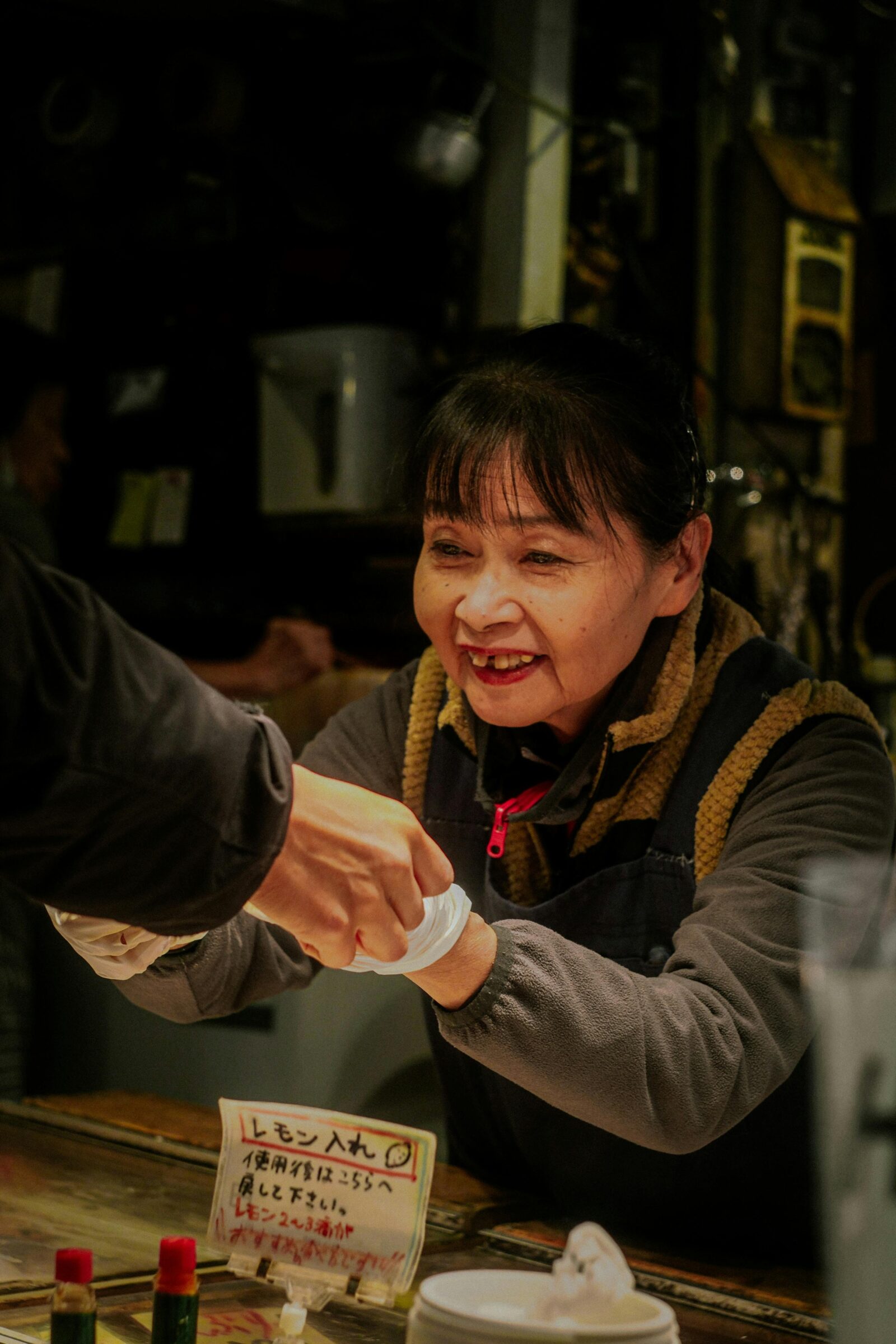
Convenience stores: Even at the smallest purchases, staff use polite language, bow slightly, and return change on a tray, often with both hands.
These gestures don’t cost much money. They aren’t luxurious. But they leave a lasting impression because they show care for details and respect for the person in front of you.
Omotenashi vs. Western Service
Coming from the U.S., I couldn’t help comparing. In America, hospitality often comes with visible friendliness—servers might chat with you, check in frequently, or use casual warmth. Tips are part of the culture, so service can sometimes feel transactional.
In Japan, the style is quieter. The staff may not talk much, but their attentiveness shows in other ways—the timing of a refill, the presentation of food, the politeness of words. Service here is less about personality and more about respect and anticipation.
Both styles have value. But I realized that in Japan, what mattered most was making the guest feel comfortable without drawing attention to the effort itself. That’s omotenashi—service that feels natural, not forced.
Reflection on My Work in Caregiving
That first training on omotenashi also made me reflect on my own work.
As a caregiver in Japan, my job is not only to assist with daily tasks but to provide comfort and dignity. I realized that non-verbal gestures—the way I hand over a cup of tea, the patience in my voice, the care in arranging a chair—are just as important as the service itself.
In the U.S., healthcare communication often values directness. We explained things clearly, sometimes bluntly, so patients understood exactly what was happening. In Japan, the emphasis is different. Honesty is still there, but softened. It’s important to protect the client’s feelings while guiding them gently.
For example, instead of saying, “You can’t do this,” it might be better to say, “Shall we try this together?” The meaning is the same, but the tone is different—and that difference can make a client feel respected rather than restricted.
Omotenashi taught me that caregiving isn’t only about physical tasks—it’s about creating an atmosphere where the person feels safe and valued.
Omotenashi can be as small as:
Adjusting the air conditioner so the room feels comfortable.
Offering tea before paperwork at an office.
Choosing a seasonal wagashi so that a guest can taste the time of year.
Bowing as someone leaves, walking them out to the entrance.
Maintain eye contact while providing care and during conversation.
Wave goodbye with a smile when the client leaves for home.
For me, these gestures became a reminder that I can also practice omotenashi in my own way—whether at work, at home, or in everyday life.
These aren’t grand gestures, but they reflect the same spirit of care I felt at that tea time training. They remind me that omotenashi isn’t about luxury—it’s about respect and thoughtfulness in everyday life.
Living with Omotenashi in Mind
Now, when I think about how I want to live in Japan, I keep omotenashi in mind. It’s not only for restaurants or companies—it’s for daily interactions, for family, for clients, for anyone we meet.
Sometimes it’s as simple as offering tea before starting a conversation, or listening carefully without interrupting. Sometimes it’s adjusting my own habits—speaking more gently, moving more thoughtfully, taking time to notice how others feel.
These lessons started with one cup of tea and a wagashi during training. But they’ve grown into a way of life.
My encounter with omotenashi was simple: tea and wagashi served with thoughtfulness at a training session. But that small gesture opened my eyes to something much deeper.
Omotenashi is not just hospitality—it’s mindfulness, respect, and kindness in action. It shows up in everyday life in Japan, from the warm towel before a meal to the quiet care in customer service. And for me, it’s also become a guide in my work and personal life.
A small gesture, given with sincerity, can mean more than words. That’s the heart of omotenashi—and it’s something I hope to carry with me every day, in my own “oishii days” here in Japan.